
 III
IIIDecay
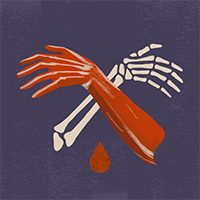
Inflict damage over time to a target, dealing damage based on their current health. Decay's damage is non-lethal and does not apply item procs.
How Decay is performing now
Pick rate measures the share of ranked player-match records across every rank containing this item. Win rate is descriptive, not causal: expensive items and winning game states can inflate results. Lock Lab always shows the sample and adjusts hero-specific results against each hero's own all-ranks baseline. Read the full methodology →
Who builds Decay most often

- ADJ. WR
- 48.5%
- ITEM SHARE
- 30.1%

- ADJ. WR
- 51.3%
- ITEM SHARE
- 16.1%

- ADJ. WR
- 48.7%
- ITEM SHARE
- 14.4%

- ADJ. WR
- 45.1%
- ITEM SHARE
- 5.3%

- ADJ. WR
- 42.4%
- ITEM SHARE
- 4.0%

- ADJ. WR
- 43.7%
- ITEM SHARE
- 3.0%

- ADJ. WR
- 45.0%
- ITEM SHARE
- 2.1%

- ADJ. WR
- 46.9%
- ITEM SHARE
- 1.8%
Anti-sustain pressure
Inflict damage over time to a target, dealing damage based on their current health. Decay's damage is non-lethal and does not apply item procs.
Decay functions as anti-sustain pressure within the Spirit shop. The strategic value is turning enemy sustain into a less reliable defensive plan. Because it is a core mid-to-late purchase, the right comparison is the fight pattern it unlocks versus the other purchases that the same 3,200 souls could complete.
When Decay belongs in the build
- The opposing lineup depends on healing, regeneration, or repeated lifesteal to survive extended fights.
- Your team can keep pressure applied long enough for the anti-sustain effect to matter.
- The purchase solves a real matchup problem without delaying a more urgent defensive answer.
- The enemy has little meaningful sustain to reduce.
- Your team cannot consistently apply or maintain the item's pressure.
- Immediate durability or control would change the next fight more than anti-heal.
Timing, movement, and hero fit
Across the current all-ranks sample, Decay is purchased at about 18:38, or 50% through the average recorded match. That places it in the middle of the observed build path. Compare that timing with the next objective and the defensive answers already visible in the lobby.
Decay is being purchased less often in the 7d change window (-1.8 points), while its observed win rate moved +0.3 points. The high confidence label reflects 29,158 purchases. These are descriptive results: build cost, game state, and hero selection can all move item win rate without the item causing the outcome.
Shiv, Ivy, Rem currently produce the largest reliable Decay samples, accounting for 17,690 recorded purchases among the three leaders. Treat that as evidence of common fit, then compare each hero's adjusted result and complete build path before copying the purchase.
What else the same budget can buy
It occupies the same 3,200-soul price point. Disarms enemy target and reduces their Bullet Resist .
COMPARE ITEM →Greater ExpansionIt occupies the same 3,200-soul price point. Increases the range and effect radius of your abilities and items.
COMPARE ITEM →KnockdownIt occupies the same 3,200-soul price point. Apply a Stun after 2s . Stun duration is increased against airborne targets. Increases the target's gravity for the duration…
COMPARE ITEM →How Decay has changed
- Cooldown reduced from 32s to 30s
- Healing Reduction increased from -45% to -50%
- Healing Reduction increased from -40% to -45%
Decay in Deadlock builds
Item strength depends on hero kit, purchase timing, lobby rank, and the current patch. Use the hero pages below to compare this item against complete build paths instead of treating a single item as universally optimal.
Transparent reference, original analysis
Live performance and purchase timing come from community-indexed match records. Lock Lab's rates, comparison windows, confidence labels, and hero-affinity analysis are original calculations—not official Valve recommendations.
VIEW ANALYTICS SOURCE ↗Current-patch all-ranks sample · refreshed automatically