
 II
IIReturn Fire
Automatically fire a bullet towards any attacker who damages you with their abilities or weapon.
How Return Fire is performing now
Pick rate measures the share of ranked player-match records across every rank containing this item. Win rate is descriptive, not causal: expensive items and winning game states can inflate results. Lock Lab always shows the sample and adjusts hero-specific results against each hero's own all-ranks baseline. Read the full methodology →
Who builds Return Fire most often
- ADJ. WR
- 44.1%
- ITEM SHARE
- 17.8%

- ADJ. WR
- 43.4%
- ITEM SHARE
- 10.5%

- ADJ. WR
- 43.7%
- ITEM SHARE
- 8.8%

- ADJ. WR
- 42.7%
- ITEM SHARE
- 7.2%

- ADJ. WR
- 39.5%
- ITEM SHARE
- 5.5%

- ADJ. WR
- 45.9%
- ITEM SHARE
- 5.4%

- ADJ. WR
- 42.6%
- ITEM SHARE
- 3.8%

- ADJ. WR
- 43.5%
- ITEM SHARE
- 3.8%
Survivability and utility
Automatically fire a bullet towards any attacker who damages you with their abilities or weapon.
Return Fire functions as survivability and utility within the Vitality shop. The strategic value is creating more usable time in combat through durability, recovery, movement, or team utility. Because it is a transitional purchase, the right comparison is the fight pattern it unlocks versus the other purchases that the same 1,600 souls could complete.
When Return Fire belongs in the build
- Return Fire's documented protection or utility matches the problem deciding fights.
- Surviving longer will let you complete another meaningful action.
- The purchase supports your intended position in the team formation.
- The item protects against the wrong threat.
- Positioning or target selection is the larger problem.
- A cheaper answer can solve the matchup without delaying your core build.
Timing, movement, and hero fit
Across the current all-ranks sample, Return Fire is purchased at about 20:51, or 56% through the average recorded match. That places it in the middle of the observed build path. Compare that timing with the next objective and the defensive answers already visible in the lobby.
Return Fire is being purchased less often in the 7d change window (-2.2 points), while its observed win rate moved -1.0 points. The high confidence label reflects 15,085 purchases. These are descriptive results: build cost, game state, and hero selection can all move item win rate without the item causing the outcome.
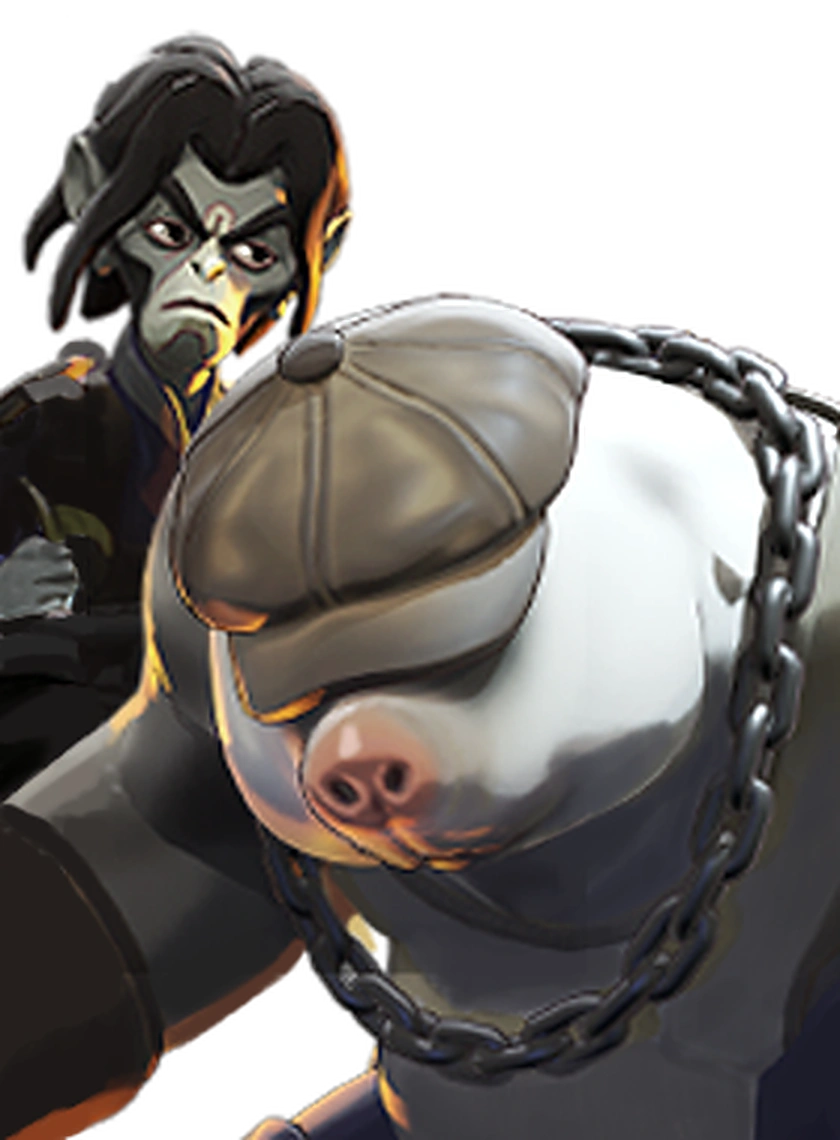
Mo & Krill, Abrams, Shiv currently produce the largest reliable Return Fire samples, accounting for 5,587 recorded purchases among the three leaders. Treat that as evidence of common fit, then compare each hero's adjusted result and complete build path before copying the purchase.
What else the same budget can buy
It occupies the same 1,600-soul price point. While you are above 65% health , gain weapon damage and bonus fire rate .
COMPARE ITEM →Bullet LifestealIt occupies the same 1,600-soul price point. Bullet Lifesteal is a vitality item in Deadlock.
COMPARE ITEM →Debuff ReducerIt occupies the same 1,600-soul price point. Reduces the duration of all negative effects applied to you.
COMPARE ITEM →How Return Fire has changed
- Duration increased from 6s to 6.5s
- Bullet Resistance increased from 8% to 10%
- Bullet Damage Returned increased from 60% to 65%
- Returning damage now always hits the target's body (some amount would naturally miss before, and some would be headshots)
- Bullet Damage Returned reduced from 60% to 50%
Return Fire in Deadlock builds
Item strength depends on hero kit, purchase timing, lobby rank, and the current patch. Use the hero pages below to compare this item against complete build paths instead of treating a single item as universally optimal.
Transparent reference, original analysis
Live performance and purchase timing come from community-indexed match records. Lock Lab's rates, comparison windows, confidence labels, and hero-affinity analysis are original calculations—not official Valve recommendations.
VIEW ANALYTICS SOURCE ↗Current-patch all-ranks sample · refreshed automatically